Across Europe, awareness of B Corp Certification keeps climbing. In 2026, brand recognition reached 30% of Europeans, up 6.2 percentage points from 2024, with the sharpest gains among 35–44 year-olds. But it’s Switzerland that stands out as one of the movement’s strongest growth stories this year, built largely on the visibility of the Certified B Corps already here, on shelves, in job listings, in everyday conversation, and the country-level data tells a story worth unpacking for anyone weighing whether certification is worth it.
Much of that growth traces back to the Certified B Corps already operating here: every one of them, visible on shelves, in job listings, in everyday conversations, has quietly built the recognition this data now shows.
This also happens to be a landmark year for the movement itself. 2026 marks B Lab’s 20th anniversary: what began in 2006 with 81 founding companies has grown into a global community of over 10,800 Certified B Corps across more than 100 countries. And this June, the first companies certified under B Lab’s newly revised global standards, the most significant overhaul of the certification in its history, requiring businesses to meet independently verified minimum thresholds across seven Impact Topics rather than a single overall score. In other words: Swiss recognition and trust are climbing at the exact moment the certification itself is getting harder to earn, not easier.
41% of the 1,000+ Swiss respondents surveyed recognise the B Corp name or logo, placing B Corp fourth among the ten certifications tested on logo recognition alone. Recognition isn’t evenly spread: it’s highest in Zürich (57%), among 26–41 year-olds (55%), and, notably, among company leadership. 80% of directors and 71% of C-suite respondents already recognise the certification, compared to 41% of the general population.
That last point matters. The people making the call on whether their company certifies are, disproportionately, already familiar with what B Corp is.
This is where the Swiss data gets interesting for anyone building a business case. Among the 416 respondents who recognise B Corp:
81%
say the certification positively influences their purchasing decisions
79%
have already purchased from a Certified B Corphave already purchased from a Certified B Corp
87%
say they’d pay a premium for a B Corp product, rising to 94.5% among those who both know B Corp and trust it highlysay they’d pay a premium for a B Corp product, rising to 94.5% among those who both know B Corp and trust it highly
To be precise: these figures describe people who already recognise the certification, not the Swiss population as a whole (recognition itself sits at 41%). But that’s exactly the point — awareness converts. It isn’t a passive signal sitting on a label; once someone knows what it stands for, it visibly shapes what they buy and how much they’re willing to pay for it.
Among people who recognise each certification, B Corp scores 4.18 out of 5 for perceived rigour, the highest of the ten labels tested. 86% of B Corp recognisers rate it 4 or 5 out of 5.
Trust tells a complementary story: it isn’t that people are sceptical of B Corp specifically. The single most common reason Swiss respondents give for distrusting certifications in general is simply “I don’t know enough about them” (47%), ahead of concerns about marketing use or independence. Unfamiliarity, not suspicion, is the real barrier, and it’s one that closes a little more every time a Certified B Corp in Switzerland makes its logo, its story, or its standards visible.
Beyond consumers, the boardroom signal is hard to ignore: 60% of decision-makers (C-suite, directors, owners and the self-employed) say they’re interested in finding out how their own company could become certified, rising to 74% among directors specifically. And 87% of all respondents think businesses should be required to consider all stakeholders, with directors themselves even more convinced (100%).
44% of all respondents say they’re interested in working at a Certified B Corp, rising to 56% among people under 42 and 60% among 26–33 year-olds, the exact cohort entering peak hiring and decision-making years. 37% want to see impact information directly in job descriptions.
44% of all respondents say they’re interested in working at a Certified B Corp, rising to 56% among people under 42 and 60% among 26–33 year-olds, the exact cohort entering peak hiring and decision-making years. 37% want to see impact information directly in job descriptions.
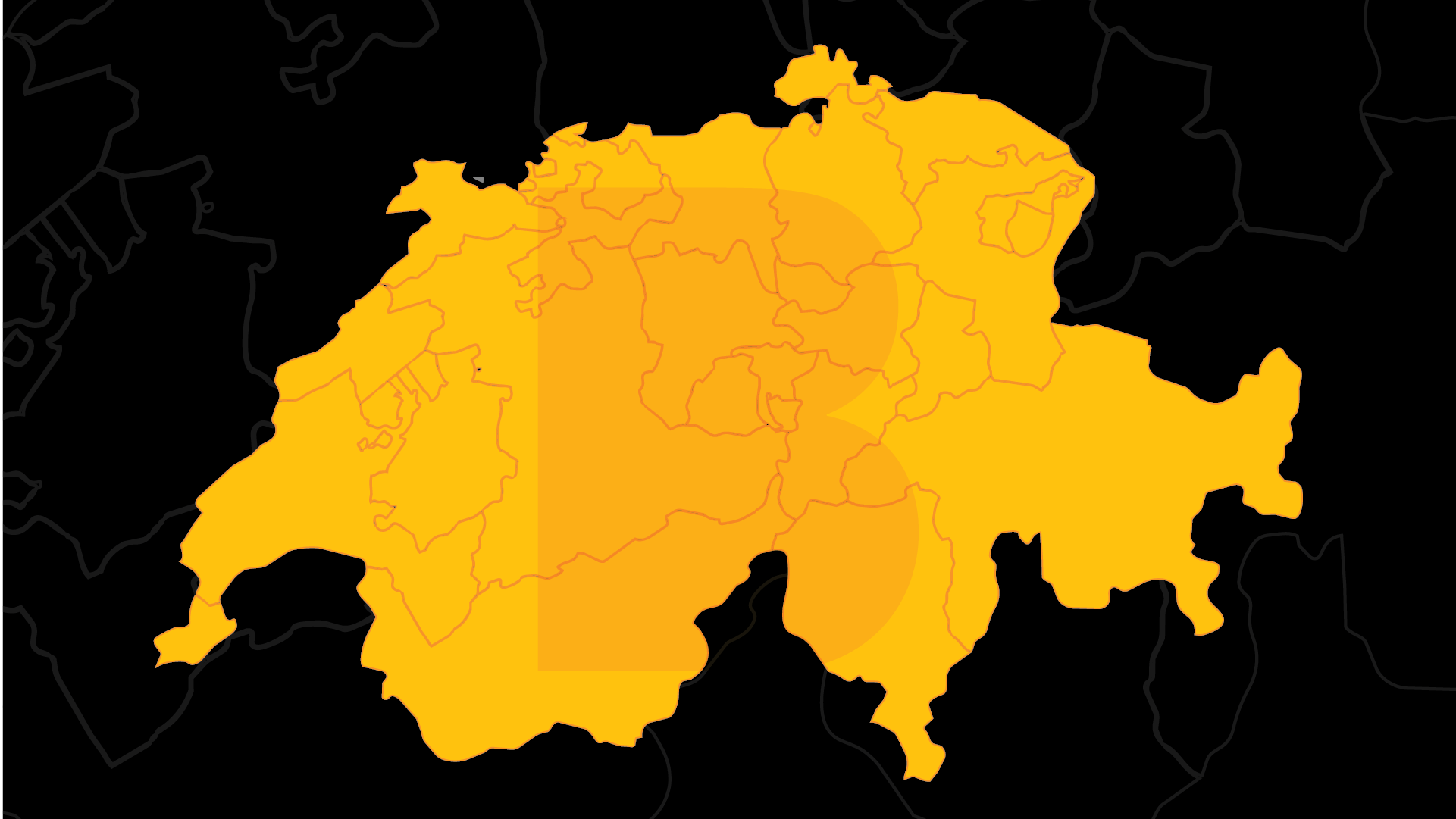
Recognition in Switzerland isn’t uniform. Zürich leads by a wide margin at 57%, followed by Région lémanique at 47%. Zürich also leads on trust and willingness to pay a premium, at 75%. Elsewhere, recognition is more modest: Zentralschweiz (35%), Espace Mittelland (32%), Ostschweiz (29%), Ticino (27%), and Nordwestschweiz (26%). It’s a reminder that awareness campaigns and business development conversations may land very differently depending on where in the country they happen.
Explore B Corp recognition by region: hover over or tap the map.
Sixteen percentage points in two years is not a communications campaign. It is dozens of Swiss companies doing the work in public, one product, one conversation, one hire at a time.
Switzerland’s numbers echo the European trend: rising recognition, deepening understanding, and a growing share of aware consumers translating that awareness into purchases, but doing so at a notably strong pace, particularly in the boardroom. They also arrive at a pivotal moment for B Lab globally, twenty years in, with a newly raised bar for what certification actually requires. For companies not yet certified, the data suggests the market is already listening, even before certification happens: half of Swiss respondents who’d never heard of B Corp said they wanted to know more after a short explanation. For companies certified, the message is just as clear: the people around you already recognise, trust, and act on what you’ve done. None of this would be possible without the Certified B Corps already active in Switzerland today. They are, in every practical sense, the movement’s real ambassadors, and this data is as much a reflection of their work as it is of the market’s growing appetite.
Book a call with our team and let’s talk it through.


